
Extra virgin olive oil is one of the healthiest and most versatile ingredients you can keep in your kitchen.
Rich in antioxidants, heart-healthy monounsaturated fats, and complex flavors, a premium EVOO can transform everything from fresh salads to grilled vegetables, seafood, pasta, and artisan bread.
Yet many people unknowingly shorten the life of their olive oil through improper storage.
Leaving a bottle next to the stove, displaying it on a sunny countertop, or purchasing more than you’ll use in a reasonable amount of time can gradually diminish its aroma, flavor, and nutritional value.
If you’ve invested in a high-quality extra virgin olive oil, protecting it is just as important as choosing the right one.
In this comprehensive guide, you’ll learn exactly how to store olive oil, what conditions preserve its freshness, which containers offer the best protection, and the simple habits that keep every bottle tasting as vibrant as the day it was produced.
Why Proper Olive Oil Storage Matters
Extra virgin olive oil is unlike most cooking oils.
Because it is produced solely through mechanical extraction—without heat or chemical processing—it retains hundreds of naturally occurring compounds that contribute to both its flavor and its health benefits.
These include:
- Polyphenols, powerful natural antioxidants.
- Vitamin E.
- Chlorophylls and carotenoids.
- Volatile aromatic compounds responsible for fruity, grassy, herbal, and peppery notes.
These delicate compounds are what distinguish premium extra virgin olive oil from ordinary vegetable oils.
Unfortunately, they’re also highly sensitive to environmental conditions.
Exposure to heat, light, oxygen, and time gradually breaks down these beneficial molecules through a natural process called oxidation.
As oxidation progresses, olive oil slowly loses its vibrant personality.
The fresh aroma becomes muted.
The fruity notes disappear.
Its pleasant bitterness softens.
The signature peppery finish fades.
Eventually, if deterioration continues long enough, unpleasant rancid flavors begin to develop.
The good news?
Proper storage dramatically slows this process.
When stored correctly, a premium EVOO can maintain its exceptional quality for many months after opening.
Does Olive Oil Actually Go Bad?
This is one of the most common questions consumers ask.
The short answer is yes—but not in the same way milk or meat spoils.
Instead of becoming unsafe overnight, olive oil slowly ages.
Over time it loses:
- Fresh aromas
- Fruity flavors
- Peppery finish
- Antioxidant content
- Overall complexity
Think of olive oil like freshly roasted coffee beans or premium wine.
It doesn’t suddenly expire.
Rather, it gradually loses the characteristics that make it exceptional.
That’s why reputable producers print a Best By date instead of an expiration date.
When properly stored, olive oil often remains safe beyond that date, although its sensory qualities may no longer represent the producer’s original intention.
For anyone who appreciates exceptional food, preserving those flavors should be the real goal.
The Four Biggest Enemies of Extra Virgin Olive Oil
Experts generally agree that four factors determine how well olive oil ages:
- Heat
- Light
- Oxygen
- Time
Understanding these enemies makes storing olive oil remarkably simple.
Let’s look at each one.
Enemy #1: Heat
Heat is the fastest way to accelerate olive oil oxidation.
Higher temperatures increase the speed of the chemical reactions responsible for degrading flavor compounds and antioxidants.
Imagine leaving a bottle of premium EVOO inside a hot car during summer.
Even if the bottle remains sealed, temperatures can exceed 120°F (49°C).
Within hours, the oil begins aging far faster than it would inside a cool pantry.
Repeated exposure to elevated temperatures has a cumulative effect.
The oil won’t suddenly become unusable.
Instead, each warm day slowly reduces its freshness.
For this reason, professional olive oil producers, importers, and specialty retailers all prioritize temperature-controlled storage throughout the supply chain.
Once the bottle reaches your kitchen, maintaining those conditions becomes your responsibility.
What Is the Best Temperature for Storing Olive Oil?
The ideal storage temperature is between:
57°F and 68°F (14°C–20°C)
Within this range, oxidation occurs much more slowly, allowing the oil to preserve its aroma, freshness, and nutritional profile.
Here’s a practical guideline:
Below 55°F (13°C)
The oil may become cloudy or partially solidify.
This is completely normal and does not damage the oil.
Once returned to room temperature, it regains its original appearance.
57°F–68°F (14°C–20°C)
This is the ideal range.
Premium olive oil retains its freshness longest under these conditions.
72°F–86°F (22°C–30°C)
Acceptable for short periods, but prolonged exposure gradually reduces flavor intensity.
Above 86°F (30°C)
Oxidation accelerates significantly.
Whenever possible, avoid storing olive oil in environments that remain consistently this warm.
Enemy #2: Light
Sunlight may seem harmless, but ultraviolet rays are surprisingly destructive to olive oil.
Direct light initiates photo-oxidation, a chemical process that rapidly breaks down chlorophyll, pigments, antioxidants, and aromatic molecules.
This explains why many premium olive oils are sold in:
- Dark green bottles
- Amber bottles
- Opaque tins
- Stainless steel containers
- Bag-in-box packaging
These materials aren’t chosen merely for aesthetics.
They’re designed to protect the oil.
A beautiful crystal-clear bottle displayed on a sunny windowsill may look elegant, but it is one of the worst environments for preserving premium EVOO.
Whenever possible, keep bottles inside a cabinet or pantry rather than on open kitchen counters.
Enemy #3: Oxygen
Every time you open a bottle, oxygen enters.
This process is unavoidable.
However, prolonged exposure dramatically increases oxidation.
As more oil is consumed, the remaining air inside the bottle increases.
This is one reason why very large bottles often lose quality before they’re completely finished—especially in smaller households.
To minimize oxygen exposure:
- Always replace the cap immediately after pouring.
- Avoid decorative oil dispensers that remain open.
- Use appropriately sized bottles based on your household’s consumption.
- Finish opened bottles within several months for optimal flavor.
Bag-in-box packaging has become increasingly popular because it naturally limits oxygen exposure.
As oil is dispensed, the inner bag collapses, preventing air from replacing the missing volume.
This simple design helps preserve freshness much longer than traditional bottles.
Enemy #4: Time
Even under perfect storage conditions, olive oil is a fresh agricultural product.
Unlike wine, it does not improve with age.
The freshest olive oil generally offers the brightest aromas, highest polyphenol content, and most vibrant flavors.
Whenever possible, purchase olive oil from producers that clearly display the harvest date.
A recently harvested premium EVOO, stored correctly, will almost always outperform an older bottle, regardless of price.
Freshness matters.
Choosing the Best Container for Olive Oil
The quality of your extra virgin olive oil depends not only on how it was harvested and produced but also on how it’s packaged and stored after bottling.
The ideal container should protect the oil from its three biggest enemies: light, oxygen, and heat.
While no container can stop natural aging completely, choosing the right packaging can significantly extend the oil’s freshness.
Let’s compare the most common options.
Dark Glass Bottles
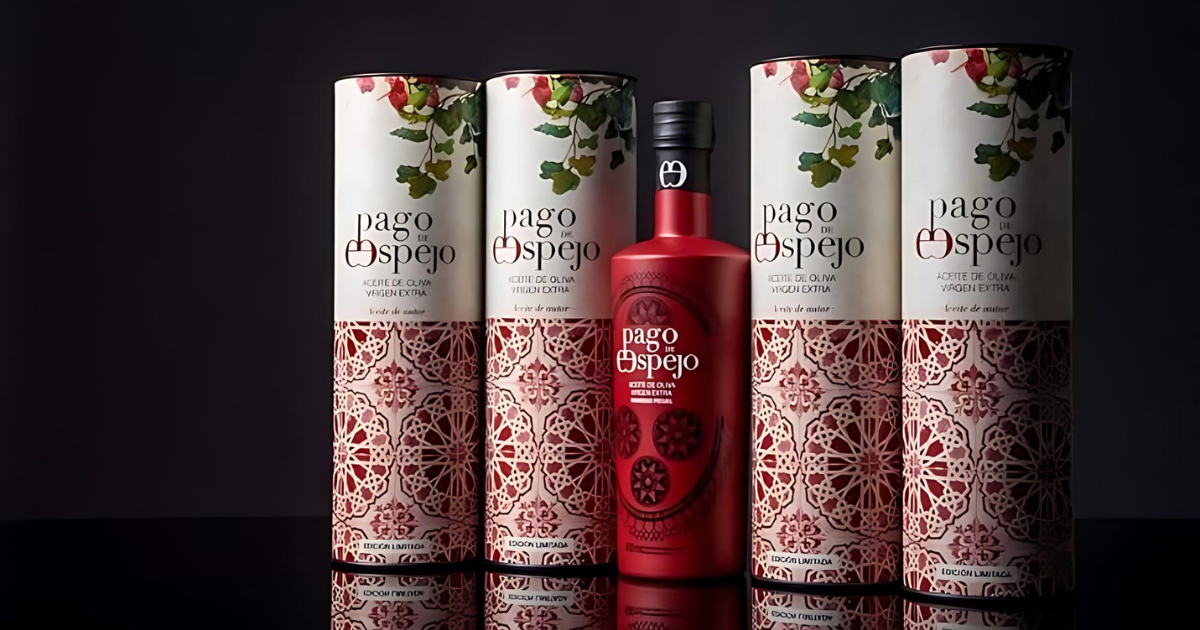
Dark glass remains one of the most trusted packaging materials for premium extra virgin olive oil.
Green or amber glass filters much of the harmful ultraviolet light while remaining chemically neutral. Unlike some plastics, glass doesn’t react with the oil or affect its flavor.
Advantages
- Excellent protection from UV light
- Preserves flavor and aroma
- Elegant presentation
- Easy to recycle
- Ideal for everyday kitchen use
Best For
Daily household consumption when the bottle will be finished within two to three months after opening.
Tin Containers
Many of the world’s best olive oil producers package their oils in food-grade metal tins.
This isn’t simply tradition—it’s one of the most effective ways to protect EVOO.
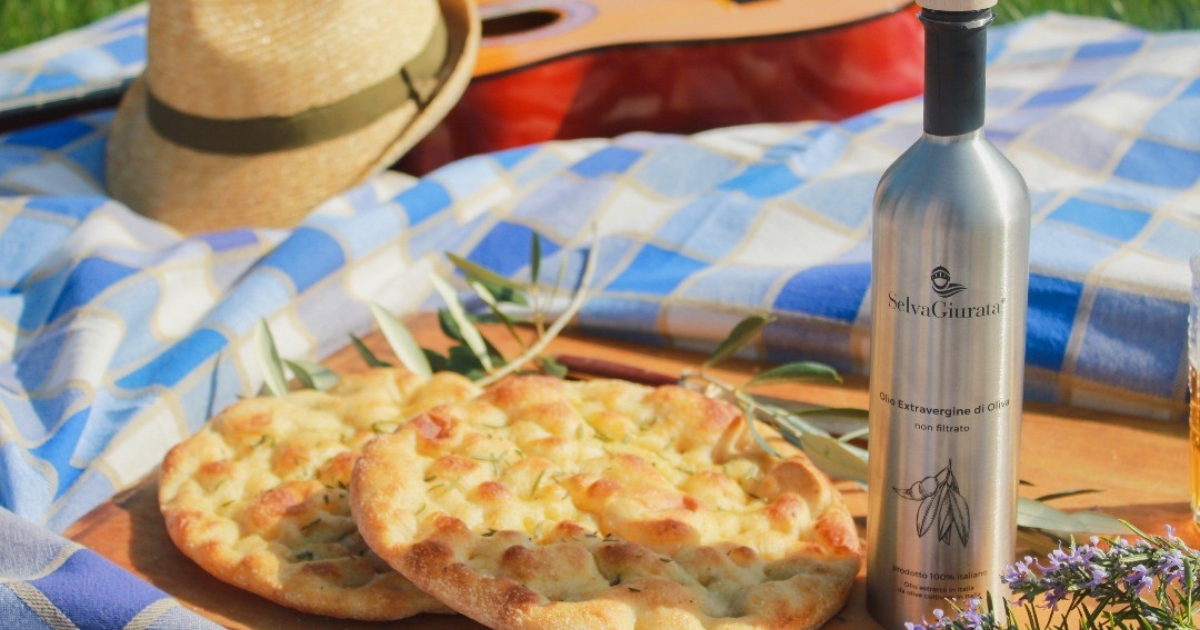
Metal blocks virtually all light exposure and provides excellent insulation from temperature fluctuations.
Large tins are especially popular among families who cook frequently.
Advantages
- Complete protection from sunlight
- Durable and lightweight
- Excellent for medium and large quantities
- Long shelf life before opening
Considerations
Once opened, transfer a small amount into a dark glass bottle for daily use while keeping the remaining oil sealed in the original tin.
This minimizes repeated exposure to oxygen.
Ceramic Bottles
Food-safe glazed ceramic combines beauty with function.
Its opaque surface completely blocks light while adding a sophisticated touch to the kitchen.
However, not all ceramic containers are created equal.
Always ensure the glaze is certified food-safe and that the lid creates an airtight seal.
Poorly sealed decorative bottles often expose the oil to unnecessary oxygen.
Stainless Steel Containers
Professional chefs and olive oil producers often store EVOO in stainless steel tanks.
Although uncommon in home kitchens, stainless steel offers exceptional protection against both light and oxygen.
If you purchase olive oil in bulk, stainless steel is among the best long-term storage options available.
Bag-in-Box Packaging
One of the most innovative developments in olive oil packaging is the bag-in-box system.
Inside the cardboard box is a flexible food-grade bag fitted with a dispensing tap.
As oil is poured, the bag collapses instead of allowing air inside.
This simple mechanism dramatically reduces oxidation.
For many olive oil professionals, bag-in-box packaging represents one of the best solutions for preserving freshness after opening.
Advantages
- Minimal oxygen exposure
- Complete protection from light
- Excellent for larger households
- Longer freshness after opening
- Convenient dispensing
As consumers become more educated about olive oil quality, this packaging continues to grow in popularity.
Are Clear Glass Bottles a Bad Choice?
Not necessarily.
Transparent bottles aren’t inherently harmful.
The problem occurs when they’re exposed to sunlight.
A clear bottle stored inside a dark pantry performs much better than a dark bottle left beside a sunny kitchen window.
Nevertheless, if you have the choice, dark or opaque packaging always provides greater protection.
Where Should You Store Olive Oil?
Location matters more than many people realize.
Even premium packaging cannot fully protect olive oil if it’s stored in the wrong place.
The ideal storage location should be:
- Cool
- Dark
- Dry
- Away from appliances that generate heat
- Free from major temperature fluctuations
For most households, the pantry remains the best choice.
A cabinet located away from the oven or dishwasher is another excellent option.
The Worst Places to Store Olive Oil
Many kitchens unintentionally expose olive oil to unnecessary stress.
Here are some locations to avoid.
Next to the Stove
Perhaps the most common mistake.
Cooking generates continuous bursts of heat that warm nearby bottles throughout the day.
Even if the oil never becomes hot, repeated warming accelerates oxidation.
On the Kitchen Counter
Open countertops often receive indirect sunlight while remaining exposed to room temperature changes.
They also place the bottle closer to cooking appliances.
Although many people enjoy displaying premium olive oil, storing it inside a cabinet preserves quality far better.
Beside a Window
Direct sunlight is one of olive oil’s greatest enemies.
A bottle sitting near a window may experience both intense light exposure and elevated temperatures.
Together, these conditions significantly reduce freshness.
Above the Refrigerator
Many homeowners use the space above their refrigerator for storage.
Unfortunately, refrigerators release heat while operating.
That warm air rises continuously, creating an environment that’s less than ideal for olive oil.
Near the Dishwasher
Steam and repeated temperature changes also contribute to faster aging.
Whenever possible, store olive oil away from both moisture and heat-producing appliances.
Should You Refrigerate Olive Oil?
This topic generates considerable debate.
The simple answer is:
Usually, no.
But sometimes, yes.
For most households, refrigeration isn’t necessary because indoor temperatures remain within acceptable ranges.
However, if you live in an exceptionally hot climate where indoor temperatures regularly exceed 86°F (30°C) for extended periods, refrigeration may help preserve quality.
What Happens When Olive Oil Gets Cold?
Many first-time buyers worry when refrigerated olive oil becomes cloudy or develops small crystals.
This is completely natural.
Cold temperatures cause some of the natural waxes and fatty acids within the oil to solidify temporarily.
Nothing has gone wrong.
The oil hasn’t spoiled.
Once returned to room temperature, it gradually becomes clear again.
Its flavor, aroma, and nutritional properties remain unchanged.
Can Freezing Olive Oil Damage It?
Although freezing isn’t generally recommended for everyday use, it doesn’t permanently ruin high-quality olive oil.
If frozen, allow the oil to thaw naturally at room temperature.
Avoid repeated freeze-thaw cycles, as frequent temperature changes are more harmful than consistent cold storage.
Summer Storage Tips
Summer presents unique challenges for preserving EVOO.
Here are several practical ways to protect your investment.
Keep Bottles Away From Windows
Even indirect sunlight raises the temperature of the bottle over time.
Buy Smaller Bottles
If your household uses olive oil occasionally, purchasing a smaller bottle ensures you’ll enjoy it while it’s still at peak freshness.
Store Reserve Containers Separately
If you’ve purchased multiple bottles, keep unopened containers in a cool pantry until needed.
Open only one bottle at a time.
Close the Cap Immediately
Even a few extra minutes of oxygen exposure repeated every day contributes to oxidation.
Develop the habit of sealing the bottle immediately after pouring.
Avoid Decorative Oil Cruets
Restaurant-style dispensers without airtight caps may look attractive, but they expose olive oil to continuous oxygen.
For premium EVOO, the original container almost always offers better protection.
Winter Storage Tips
Cold weather is generally less problematic than excessive heat.
If your olive oil becomes cloudy during winter, don’t worry.
Allow it to warm naturally before use.
Never attempt to speed the process by placing the bottle in boiling water or directly beside a heater.
Gradual warming preserves the oil’s integrity.
Common Olive Oil Storage Myths
Myth: Olive Oil Lasts Forever
Reality:
Olive oil is a fresh fruit juice.
Like fresh juice, quality slowly declines over time.
Myth: Dark Color Means Better Quality
Reality:
Bottle color protects the oil.
It tells you nothing about what’s inside.
Exceptional olive oil can come in green glass, amber glass, tins, stainless steel, or bag-in-box packaging.
Myth: Refrigeration Ruins Olive Oil
Reality:
Cold temperatures simply change its appearance temporarily.
Once warmed, the oil returns to normal.
Myth: Expensive Olive Oil Doesn’t Need Special Care
Reality:
Quite the opposite.
Premium EVOO contains more delicate aromatic compounds that deserve careful storage.
The better the olive oil, the more worthwhile proper storage becomes.
How to Tell If Olive Oil Has Gone Bad
Even under ideal conditions, extra virgin olive oil won’t stay at peak quality forever. The key is knowing how to recognize the signs that it has passed its prime.
Unlike spoiled dairy or meat, olive oil rarely becomes unsafe to consume if it has been stored properly. Instead, it gradually loses the freshness, aroma, and complexity that define a premium EVOO.
Here are the most common indicators that your olive oil has deteriorated:
The Aroma Has Faded
Fresh extra virgin olive oil should smell lively and inviting. Depending on the variety, you may notice aromas of green apple, freshly cut grass, herbs, tomato leaf, almond, or artichoke.
If the oil has little to no aroma—or smells flat—it has likely begun to oxidize.
It Tastes Dull
A high-quality EVOO should have balance. Fruitiness comes first, followed by a pleasant bitterness and a peppery finish that may create a slight tickle in the throat.
When those characteristics disappear, the oil has lost much of its original character.
Rancid Flavors
A deteriorated olive oil may develop off-flavors often described as:
- Old nuts
- Wet cardboard
- Crayons or candle wax
- Stale butter
- Dusty or musty notes
These flavors are classic signs of oxidation.
If you notice them, it’s time to replace the bottle.
How Long Does Olive Oil Last?
The shelf life of extra virgin olive oil depends on several factors, including harvest date, packaging, storage conditions, and how often the bottle is opened.
As a general guideline:
- Unopened bottles: Best enjoyed within 12–24 months of harvest when stored properly.
- After opening: Aim to use the oil within 2–3 months for the brightest flavor. It often remains enjoyable for several more months if kept cool, dark, and tightly sealed.
Rather than focusing only on the printed date, pay attention to freshness. Buying smaller quantities more frequently is often the best way to enjoy premium EVOO at its peak.
Harvest Date vs. Best By Date
One of the most useful pieces of information on a premium bottle of olive oil is the harvest date.
This tells you when the olives were picked and the oil was produced.
The best by date, on the other hand, is an estimate of how long the oil should maintain its expected quality under proper storage conditions.
When shopping, prioritize bottles that clearly display the harvest date. Freshly harvested oil generally offers more vibrant flavors and a higher concentration of beneficial polyphenols.
Buying Tips: How to Choose Fresh Extra Virgin Olive Oil
Proper storage begins before the bottle reaches your kitchen.
When purchasing EVOO, look for:
- A clearly marked harvest date.
- Packaging that protects the oil from light, such as dark glass or opaque containers.
- Producers that specialize in premium extra virgin olive oil.
- Certifications or quality standards when available.
- Bottle sizes that match how quickly your household uses olive oil.
Avoid choosing olive oil based solely on price. A well-made EVOO offers exceptional flavor and nutritional value, making it one of the most rewarding ingredients in any kitchen.
Quick Olive Oil Storage Checklist
For the best results, remember these simple habits:
✔ Store between 57°F and 68°F (14°C–20°C) whenever possible.
✔ Keep bottles away from direct sunlight.
✔ Avoid storing olive oil near the stove, oven, dishwasher, or other heat sources.
✔ Always replace the cap immediately after use.
✔ Choose dark glass, food-grade tins, stainless steel, ceramic, or bag-in-box packaging.
✔ Buy only the amount you’ll enjoy while it’s still fresh.
✔ Keep unopened bottles in a cool, dark pantry.
✔ Refrigerate only if your home remains consistently very warm.
Following these steps will help preserve the flavor, aroma, and nutritional qualities that make premium extra virgin olive oil so exceptional.
Frequently Asked Questions
Does olive oil go bad in hot weather?
Heat doesn’t make olive oil unsafe overnight, but it speeds up oxidation. Over time, high temperatures reduce freshness, aroma, and antioxidant content. Storing olive oil in a cool, dark place helps preserve its quality.
Is it okay to keep olive oil next to the stove?
No. The repeated heat generated during cooking gradually accelerates oxidation and shortens the oil’s lifespan. A pantry or enclosed cabinet is a much better location.
Should olive oil be refrigerated?
Usually not. However, if indoor temperatures remain consistently above 86°F (30°C) for extended periods, refrigeration can help preserve freshness. Cloudiness caused by cold temperatures is normal and disappears once the oil returns to room temperature.
What is the best container for olive oil?
Dark glass, food-grade metal tins, stainless steel, glazed ceramic, and bag-in-box packaging all offer excellent protection. The best choice depends on how quickly you use the oil and how much you purchase at one time.
Can olive oil be stored in plastic?
Food-grade plastic containers can be suitable for short-term storage, especially for transportation. For long-term quality, opaque materials such as dark glass, tins, or bag-in-box packaging provide better protection from light.
Why does premium olive oil taste peppery?
That peppery sensation is a sign of freshness and naturally occurring phenolic compounds, particularly oleocanthal. It is one of the defining characteristics of high-quality extra virgin olive oil.
Does olive oil improve with age?
No. Unlike wine, extra virgin olive oil is best enjoyed while fresh. Its flavor and nutritional properties gradually decline over time.
How long does olive oil last after opening?
For the best flavor, consume it within two to three months after opening. Proper storage can help maintain quality beyond that, but freshness is always the goal.
Final Thoughts
Extra virgin olive oil is more than a cooking ingredient—it’s the result of careful farming, precise harvesting, and meticulous craftsmanship.
Every bottle reflects the work of growers who strive to preserve the natural flavors and healthful compounds found in freshly harvested olives.
By storing your olive oil correctly—away from heat, light, and excessive air exposure—you protect that craftsmanship and ensure every drizzle, dip, and recipe delivers the flavor the producer intended.
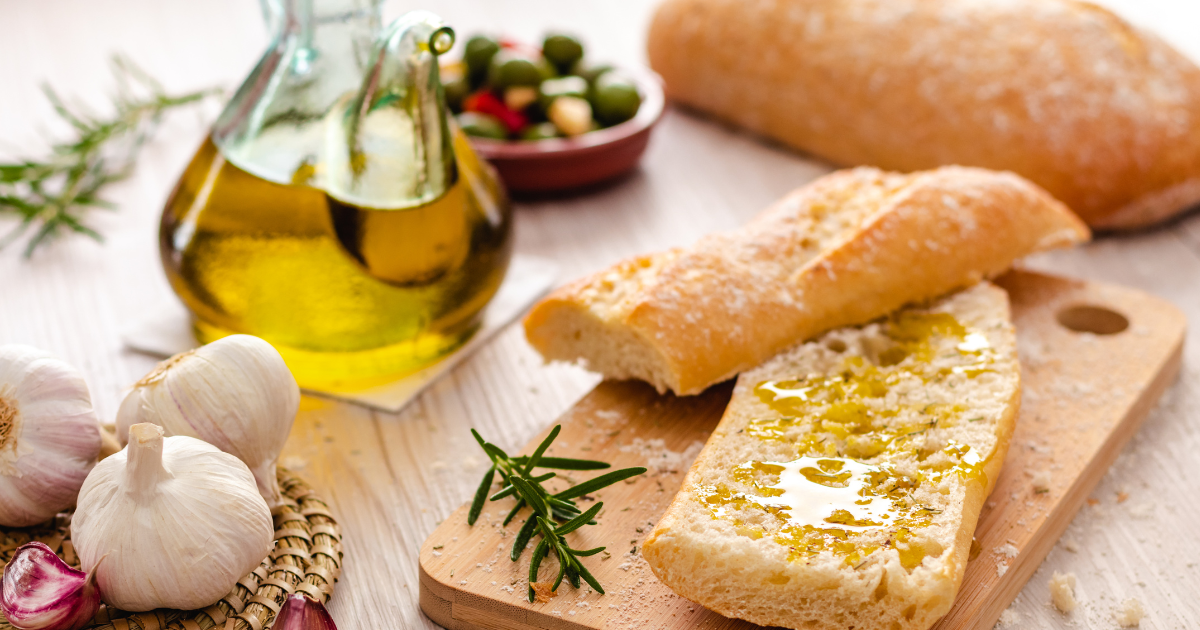
Whether you’re finishing a crisp salad, dipping warm artisan bread, or enhancing a simple pasta dish, fresh extra virgin olive oil makes all the difference.
At Stefan & Sons, we believe exceptional ingredients deserve exceptional care. That’s why we carefully select premium pantry products that celebrate authenticity, craftsmanship, and unforgettable flavor.
Explore our collection of gourmet essentials and discover how quality ingredients can elevate everyday cooking into something truly memorable.