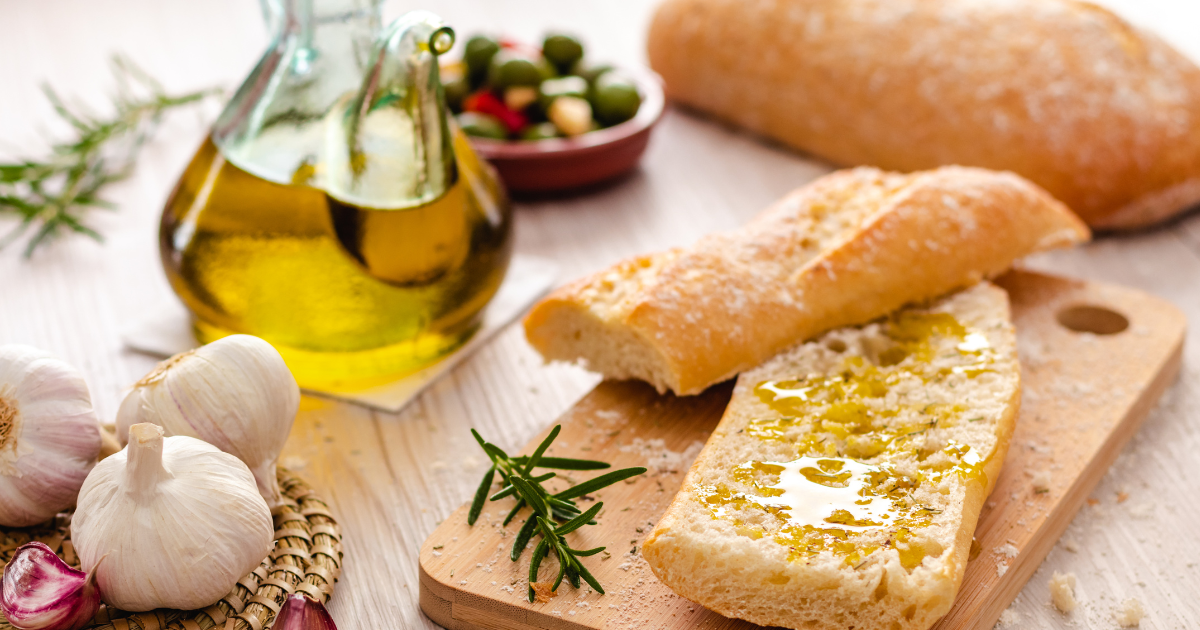

Olive oil is more than just a cooking ingredient; it’s a rich, flavorful experience that can elevate any dish.
To truly appreciate its depth and complexity, one must learn the art of olive oil tasting.
Here’s a easy guide on how to become an olive oil connoisseur, helping you recognize quality and savor the unique nuances of this liquid gold.
1. Understanding Olive Oil Quality
Before diving into tasting, it’s essential to understand what constitutes high-quality olive oil. Look for the following indicators:
- Extra Virgin Label: This indicates the oil is made from pure, cold-pressed olives without any chemicals or heat.
- Harvest Date: Freshness matters. The best oils are from the most recent harvest.
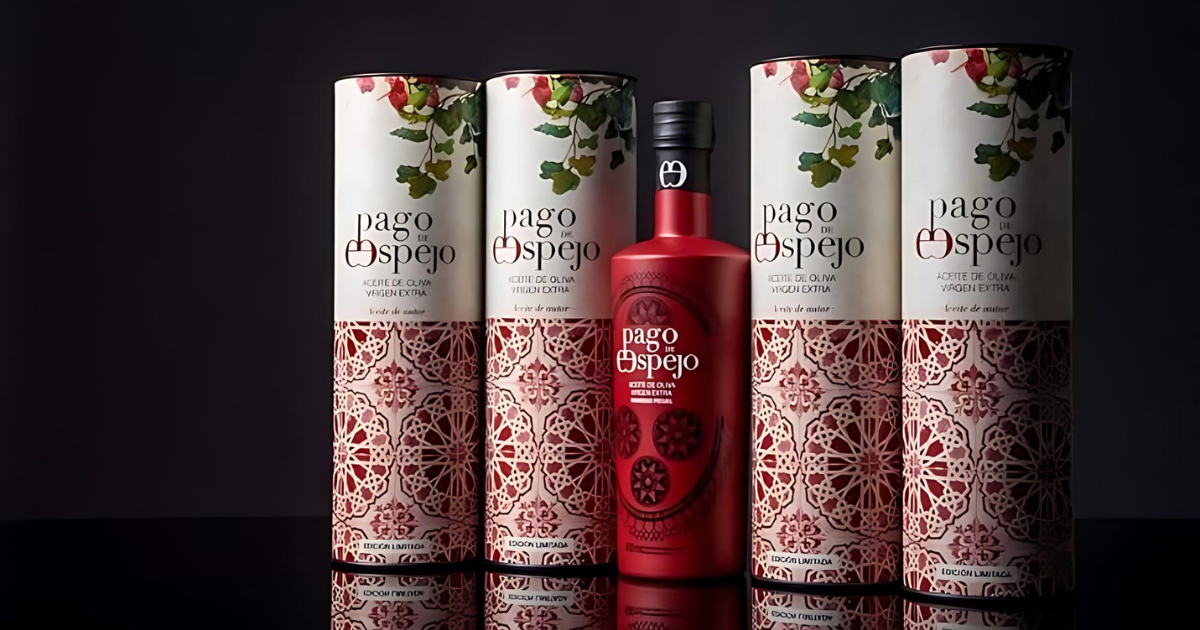
- Origin: High-quality oils often come from regions renowned for their olive production, such as Italy, Spain, and Greece.
2. Preparing for the Tasting
To properly taste olive oil, you’ll need a few simple items: small tasting cups, a glass of water, and slices of mild bread or apple to cleanse your palate between tastings. Here’s how to get started:
- Pour a Small Amount: Pour about a tablespoon of olive oil into a small cup.
- Warm the Oil: Hold the cup in your hands to warm the oil slightly, releasing its aromas.
3. The Tasting Process
Tasting olive oil involves three main steps: looking, smelling, and tasting.
1. Look:
- Color: While the color of olive oil can range from golden to green, it’s not a definitive indicator of quality. However, it can give you an initial sense of the oil’s freshness and fruitiness.
2. Smell:
- Swirl and Sniff: Swirl the cup gently to release the aromas, then take a deep sniff. High-quality olive oil should have a fresh, fruity aroma, reminiscent of olives, grass, or green apples.
3. Taste:
- Sip and Slurp: Take a small sip of the oil, allowing it to coat your mouth. Then, slurp in some air to emulsify the oil and spread it across your palate. This technique enhances the flavors and aromas.
- Assess the Flavors: Pay attention to the different flavor notes. High-quality olive oils can have hints of fruit, herbs, nuts, or even a peppery finish.
- Feel the Texture: Notice the oil’s texture. Is it smooth, silky, or slightly gritty? Good olive oil should feel smooth and harmonious in your mouth.
4. Recognizing Defects
As you taste, be aware of common defects that indicate poor quality:
- Rancidity: If the oil smells like crayons, putty, or stale nuts, it’s likely rancid.
- Fustiness: A musty or muddy aroma can indicate poor storage conditions.
- Winey-Vinegary: If the oil smells like wine or vinegar, it’s a sign of fermentation.
5. Appreciating Nuances
To truly become a connoisseur, practice is key. Regularly taste different types of olive oil to expand your palate and deepen your appreciation. Consider the following tips:
- Taste Blindly: To avoid bias, taste oils without knowing their origin or brand.
- Compare and Contrast: Taste different oils side by side to understand their unique characteristics.
- Take Notes: Keep a tasting journal to document your impressions, helping you remember and learn from each tasting.
Conclusion:
Tasting olive oil is an art that enhances your culinary experience and deepens your appreciation for this ancient elixir.
By understanding quality indicators, preparing properly, and honing your tasting skills, you can become an olive oil connoisseur.
So, pour yourself a cup of olive oil and embark on this flavorful journey. Discover the highest quality olive oils from Spain, Italy, Greece, and more at Stefan & Sons.
We invite you to explore our extensive selection of carefully curated products. Everything is just a click away at stefanandsons.com
Plus, enjoy free shipping on orders over $45.00.
Your palate will thank you!