The vast diversity and richness of our cuisine make us adventurous when exploring new flavors and experimenting in the kitchen.
Today, countless dressings grab our attention and pique our curiosity. However, many salads can be ruined by sugary or adulterated dressings. Despite these well-deserved attempts, the traditional combination of olive oil and vinegar still outshines all others.
This mix is the epitome of delicious simplicity, a true indulgence for the senses—if we know how to choose quality olive oil and properly fermented vinegar. But why is this so?
Olive groves and vineyards are a legacy of our Mediterranean heritage. For thousands of years, Babylonian, Greek, and Roman civilizations knew and used the combination of oil and vinegar as a salad dressing for its exquisite flavor.
Today, we know it’s not just a delightful blend—both ingredients boast excellent properties that are highly beneficial for our health.
Together, they create a perfect harmony, complementing and enhancing each other’s qualities.
How to Choose a Good Olive Oil
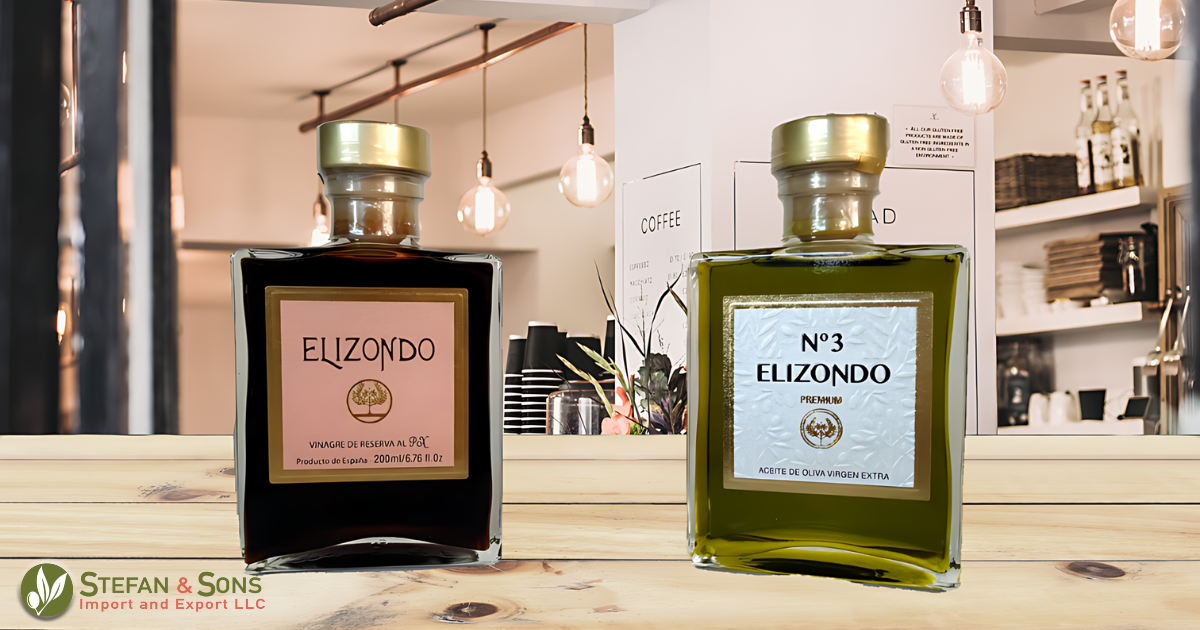
The best oil for dressing a salad is undoubtedly extra virgin olive oil. For example Elizondo No 3.
Spain is a country deeply rooted in olive oil production, especially in the south. Identifying a good olive oil can be challenging, as many factors affect its quality: the land and air quality where the olives grow, the handling of the fruit, the care taken in extraction and preservation processes, and more.
When we talk about extra virgin olive oil, we refer to oil extracted naturally, without the use of chemicals. Additionally, it’s advisable that the oil comes from a first cold press since high temperatures can significantly damage the oil’s properties.
This means the oil is extracted solely through pressure, preserving all its natural benefits. It’s essential to consider these aspects and carefully read product labels before purchasing.
Today, olive oil’s benefits are widely recognized, such as its antioxidant properties and cholesterol regulation. But here are a few lesser-known advantages:
- It enhances the absorption of vital vitamins, like A (boosting the immune system) and D (which women often lack).
- It helps protect neurons and cells, reducing inflammation associated with cancer.
- It serves as an appetite suppressant.
How to Choose a Good Vinegar
This acidic condiment has long been known as a food preservative and disinfectant. Paired with olive oil for centuries, its excellent properties have often been overlooked or unknown.
There are many types of vinegar: wine vinegar, Sherry vinegar, balsamic vinegars, rice vinegar, fruit vinegars… As you can see, there are plenty of options for dressing your dishes and making vinaigrettes.
To select a good vinegar, ensure it hasn’t been pasteurized, to preserve its qualities, and check its acetic acid concentration.
Wine vinegar stands out for its digestive and detoxifying qualities and is perfect for marinating foods or preparing sauces. It has a strong aroma and just the right amount of acidity. Plus, it’s one of the lightest options with the lowest caloric content.
Among its most notable properties, wine vinegar is a natural antioxidant, aids digestion, and has bactericidal effects. It contains no cholesterol and even helps lower “bad” cholesterol levels. It’s also a great diuretic.
Moreover, vinegar offers a range of benefits that make it an excellent ally for cardiovascular health and weight loss:
- Did you know vinegar helps control blood sugar levels?
- It speeds up metabolism and aids muscle recovery, making it a strong ally against high blood pressure.
- It’s also renowned as a beauty product—reducing age spots, benefiting hair and enamel, and helping with acne.
Remember, at Stefan and Sons, you’ll find an extensive selection of premium extra virgin olive oils that are hard to find in the U.S. market, as well as a variety of vinegars from Italy and Spain.
Plus, enjoy free shipping on orders over $45.00!
Now that you have all the information, shall we make a salad?