In a world filled with diet trends that come and go, the Mediterranean diet stands as a timeless approach to healthy living.
Rooted in the traditional eating habits of countries bordering the Mediterranean Sea, this diet is not just a way to eat but a lifestyle embraced by generations.
It’s renowned not only for its delicious flavors but also for its impressive health benefits. In this article, we’ll explore the origins, core components, and health advantages of the Mediterranean diet, and how you can adapt it to modern life.
History and Origins of the Mediterranean Diet
The Mediterranean diet has deep historical roots that trace back to ancient civilizations like the Greeks and Romans, whose culinary traditions were shaped by the fertile lands and rich seas of the Mediterranean basin.
These societies relied on the natural resources around them, consuming a diet rich in fresh vegetables, fruits, whole grains, fish, and olive oil. The diet evolved over centuries, influenced by the diverse cultures, climates, and agricultural practices of the region.
In the mid-20th century, the Mediterranean diet gained international recognition, thanks to studies by American researcher Ancel Keys, who observed the low incidence of heart disease among populations in Southern Italy and Greece.
His findings highlighted the health benefits of the diet, particularly its role in promoting heart health and longevity. Since then, the Mediterranean diet has been widely studied and celebrated as one of the healthiest diets in the world.
Core Components of the Mediterranean Diet
At the heart of the Mediterranean diet are fresh, wholesome ingredients that are often locally sourced and prepared simply. Let’s take a closer look at these core components:
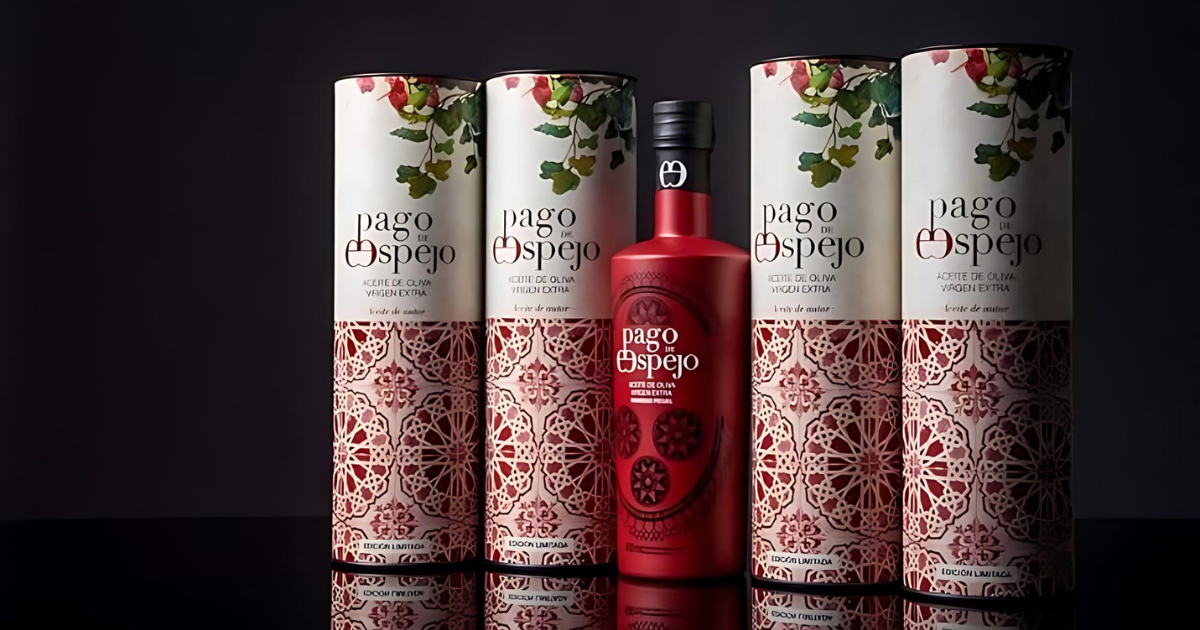
- Olive Oil: Known as “liquid gold,” olive oil is the cornerstone of the Mediterranean diet. Rich in monounsaturated fats, it supports heart health by lowering bad cholesterol levels and providing antioxidants. Extra virgin olive oil, in particular, is prized for its purity and health benefits.
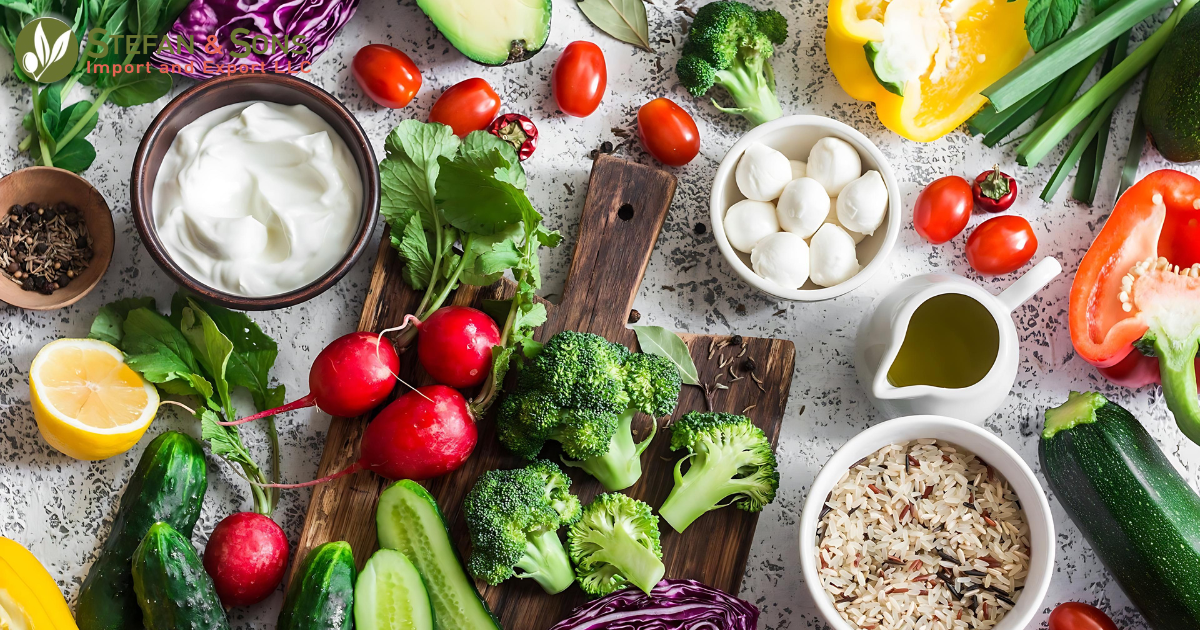
- Fruits and Vegetables: The Mediterranean diet emphasizes the consumption of seasonal and locally grown fruits and vegetables. These are packed with vitamins, minerals, and antioxidants, essential for maintaining a strong immune system and preventing chronic diseases.
- Whole Grains: Whole grains like barley, oats, and brown rice are favored over refined grains. They provide fiber, which aids digestion, stabilizes blood sugar levels, and keeps you feeling full longer.
- Fish and Seafood: Rich in omega-3 fatty acids, fish like salmon, mackerel, and sardines are staples of the Mediterranean diet. These healthy fats reduce inflammation and support heart and brain health.
- Legumes, Nuts, and Seeds: Plant-based proteins such as beans, lentils, chickpeas, nuts, and seeds are integral to the diet. They offer a healthy dose of fiber, protein, and good fats, making meals both satisfying and nutritious.
- Herbs and Spices: Flavorful herbs and spices, like basil, oregano, garlic, and rosemary, are used generously in Mediterranean cooking. They not only enhance the taste of dishes but also provide health benefits without the need for excess salt.
- Dairy and Wine: Moderate consumption of dairy, especially yogurt and cheese, is encouraged. A glass of red wine with meals is also a common practice, offering antioxidants like resveratrol, which can support heart health.
Health Benefits of the Mediterranean Diet
The Mediterranean diet is more than just a collection of foods; it’s a lifestyle that promotes health and well-being. Here are some of the key health benefits associated with this diet:
- Cardiovascular Health: Numerous studies have shown that the Mediterranean diet can reduce the risk of heart disease. The healthy fats from olive oil and fish, along with the diet’s emphasis on whole, unprocessed foods, help to lower blood pressure, reduce inflammation, and improve cholesterol levels. In addition to its cardiovascular benefits, research also suggests that olive oil may support olive oil for eye health, thanks to its antioxidants and healthy fats.
- Weight Management: The Mediterranean diet is naturally rich in fiber and healthy fats, which help to keep you feeling full and satisfied. This can lead to better weight management, as it reduces the temptation to overeat or snack on unhealthy foods.
- Reduced Risk of Chronic Diseases: Beyond heart health, the Mediterranean diet has been linked to a reduced risk of several chronic diseases, including type 2 diabetes, certain cancers, and neurodegenerative conditions like Alzheimer’s disease. The diet’s emphasis on anti-inflammatory foods is key to this protective effect.
- Mental Health: Emerging research suggests that the Mediterranean diet can have a positive impact on mental health. The diet’s rich supply of nutrients, including omega-3 fatty acids, B vitamins, and antioxidants, supports brain function and may help reduce the risk of depression and cognitive decline.
- Longevity: The Mediterranean diet is associated with a longer lifespan. Populations in the Mediterranean region, particularly in places like Ikaria, Greece, and Sardinia, Italy, are known for their high number of centenarians. The diet’s combination of nutritious foods, physical activity, and social connections is thought to contribute to this longevity.
The Role of Olive Oil in the Mediterranean Diet
Olive oil is the heart and soul of the Mediterranean diet. It’s used in nearly every aspect of cooking, from sautéing vegetables to dressing salads. Here’s why olive oil is so important:
- Nutritional Benefits: Extra virgin olive oil is rich in monounsaturated fats, which are known to support heart health. It also contains polyphenols, which have antioxidant properties and can reduce inflammation.
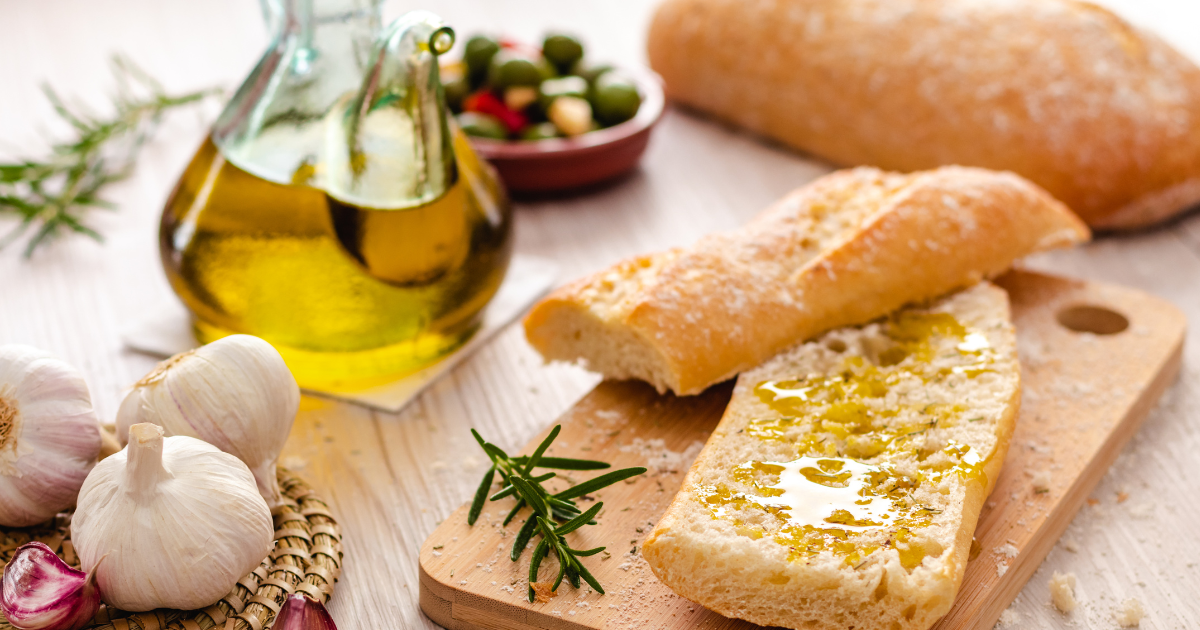
- Culinary Uses: Olive oil is incredibly versatile in the kitchen. It’s perfect for drizzling over salads, vegetables, and bread, as well as for cooking at medium temperatures. To maximize its health benefits, it’s best to use extra virgin olive oil in its raw form or lightly heated.
- Flavor Profile: The rich, slightly peppery flavor of extra virgin olive oil enhances the taste of Mediterranean dishes. Its ability to complement a wide variety of foods makes it a must-have in any kitchen.
Adapting the Mediterranean Diet to Modern Life
Adopting the Mediterranean diet doesn’t mean you have to live in the Mediterranean. Here’s how you can incorporate its principles into your daily life:
- Meal Planning: Focus on incorporating more fruits, vegetables, whole grains, and healthy fats into your meals. Plan your meals around these core components and gradually reduce your intake of processed foods, red meat, and refined sugars.
- Shopping Tips: Look for seasonal and locally grown produce. Choose whole grains over refined ones, and always have a good quality extra virgin olive oil on hand. Don’t forget to include nuts, seeds, and legumes in your shopping list.
- Cooking at Home: Cooking at home allows you to control the quality and freshness of your ingredients. Experiment with Mediterranean recipes that emphasize simple, flavorful ingredients and cooking methods.
- Lifestyle Factors: The Mediterranean lifestyle goes beyond food. Regular physical activity, such as walking, and strong social connections are also important aspects. Try to incorporate these elements into your routine for a holistic approach to health.
Conclusion
The Mediterranean diet offers a delicious and sustainable way to improve your health and well-being. Its focus on fresh, wholesome foods and healthy fats, combined with an active lifestyle, makes it a powerful tool for preventing chronic diseases and promoting longevity.
By embracing the Mediterranean diet, you’re not just following a diet – you’re adopting a lifestyle that has stood the test of time.
At Stefan and Sons, you’ll find a great selection of Spanish, Italian, Israeli, and many more extra virgin olive oils, as well as an extraordinary selection of vinegars, all with free shipping on orders over $100.00.
Embrace the Mediterranean way of life today by choosing high-quality products that support your health and culinary adventures.
Always consult with your doctor before making significant changes to your diet to ensure it is suitable for your individual health and well-being.