Made from local grapes, aged patiently in fine wooden barrels, and guided by generations of expertise, Balsamic Vinegar of Modena is far more than a condiment.
It is a symbol of Italian tradition, precision, and time.
But what exactly transforms simple grape must into one of the world’s most prized culinary treasures?
From Vineyard to Cooked Must
The journey begins every September in the Modena countryside, where carefully selected red and white grape varieties are harvested at peak ripeness.
These grapes are gently pressed to extract their juice, which is then slowly cooked for more than 20 hours.
This long, low-temperature cooking process concentrates the natural sugars and triggers caramelization, giving the must its deep brown color, velvety density, and rich fruity aroma.
The result is a thick, fragrant base that forms the heart of authentic Balsamic Vinegar of Modena.
Fermentation and Aging in Wooden Barrels
Once cooked, the must is transferred to wooden barrels to begin acetic fermentation and long-term aging.
For Traditional Balsamic Vinegar of Modena PDO, the cooked must is the only ingredient used—no additives, no wine vinegar—following strict production rules defined by the Consortium for Protection.
The barrels are traditionally stored in attic spaces, where seasonal temperature changes play a crucial role in the aging process.
The Barrel “Battery”: Time as an Ingredient
Authentic Traditional Balsamic Vinegar ages in a sequence of five to seven small barrels, each made from a different type of wood such as oak, chestnut, cherry, or juniper.
This arrangement, known as a “battery,” consists of barrels that gradually increase in size and remain partially open.
Over a period of at least 12 years—and up to 25 ,50,100 years or more—the vinegar slowly ferments, concentrates, and evolves.
Summer heat encourages evaporation and thickening, while winter cold pauses chemical activity, allowing flavors to stabilize and mature naturally.
The Role of the Master Vinegar Maker
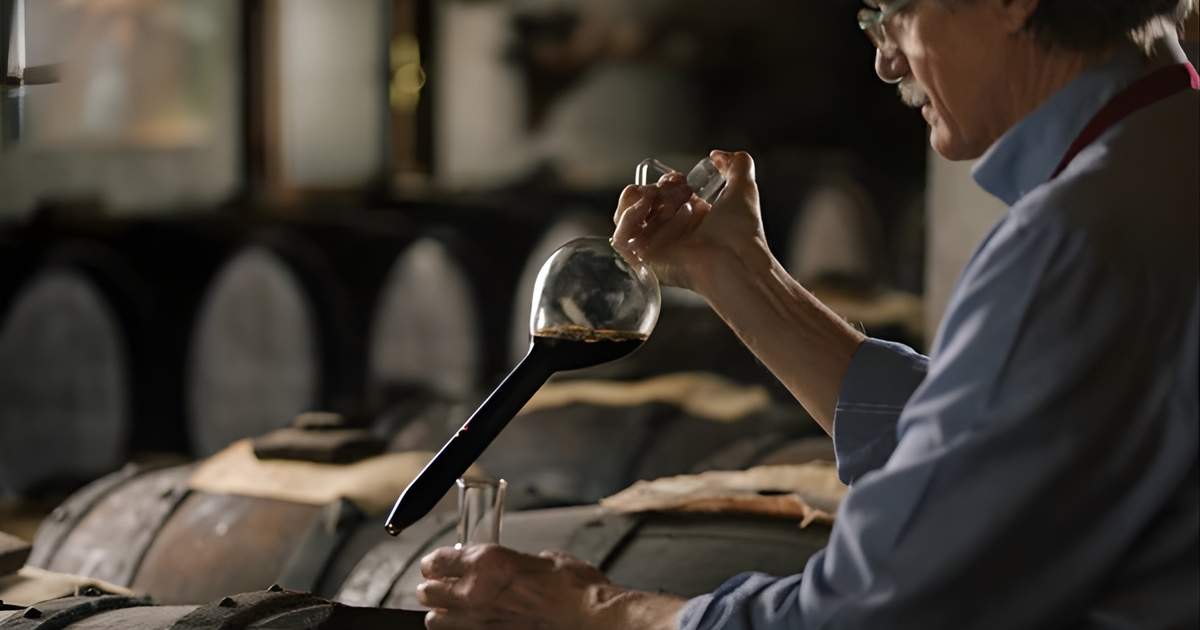
Throughout this lengthy process, the master vinegar maker oversees every stage with precision and care.
Each year, a small amount of vinegar is drawn from the smallest barrel—the oldest and most concentrated liquid in the battery.
Using a traditional glass pipette known as a “thief,” the master then refills each barrel with vinegar from the previous one, moving step by step through the battery.
The final barrel is replenished with younger fermented must from the “badessa,” or mother barrel. This meticulous manual process ensures continuity, balance, and exceptional quality.
Aging Classifications and Certification
After aging, the vinegar is evaluated by expert tasters.
-
“Affinato” refers to balsamic vinegar aged for a minimum of 12 years.
-
“Extravecchio” is reserved for vinegar aged at least 25 years.
Traditional Balsamic Vinegar of Modena PDO is bottled exclusively by the Consortium in a distinctive, iconic bottle designed by Giorgetto Giugiaro—its shape inspired by historic tasting flasks used in local vinegar lofts.
Balsamic Vinegar of Modena PGI: Versatility in the Kitchen
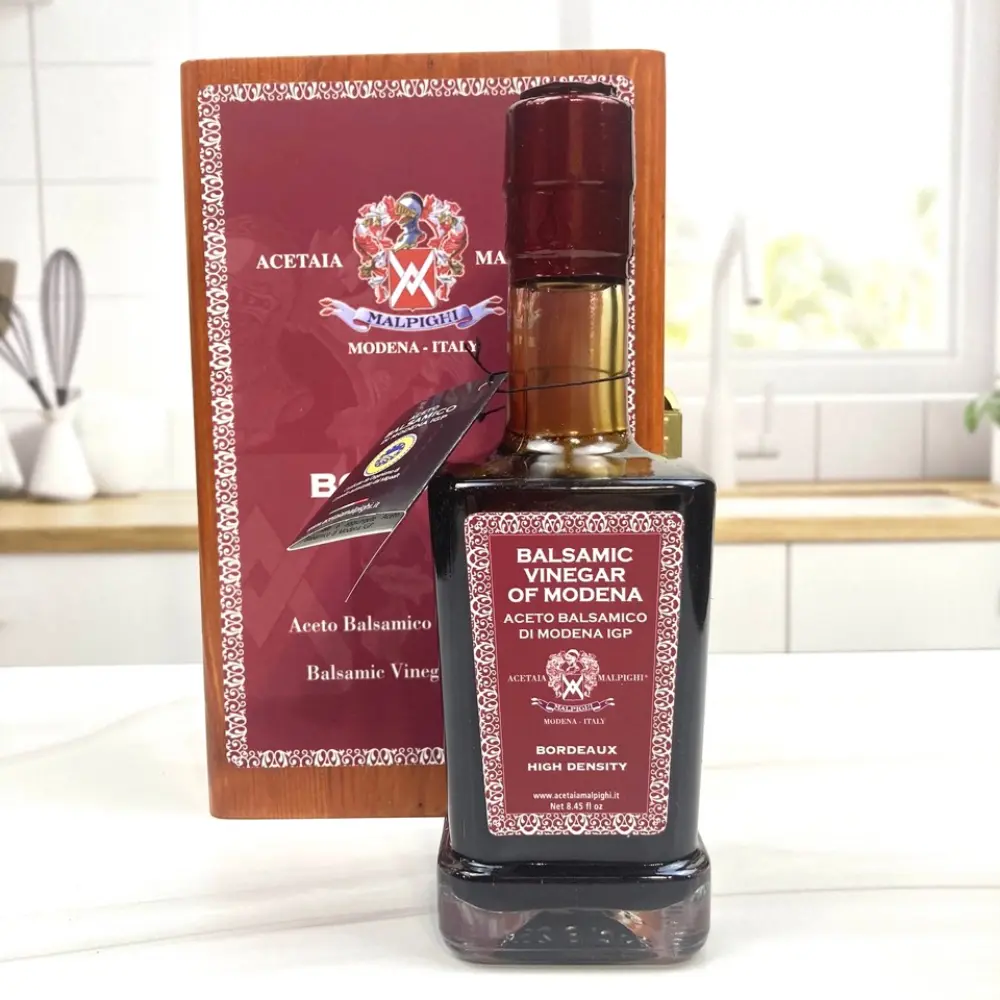
Alongside the traditional PDO version, Balsamic Vinegar of Modena PGI is produced using a blend of cooked grape must and aged wine vinegar.
With more flexible production standards, this variety offers a broader range of textures and flavor profiles.
Thanks to its balance of sweetness and acidity, PGI balsamic vinegar is exceptionally versatile, enhancing everything from salads and roasted vegetables to meats, cheeses, and even desserts.
Preserving a Timeless Italian Tradition
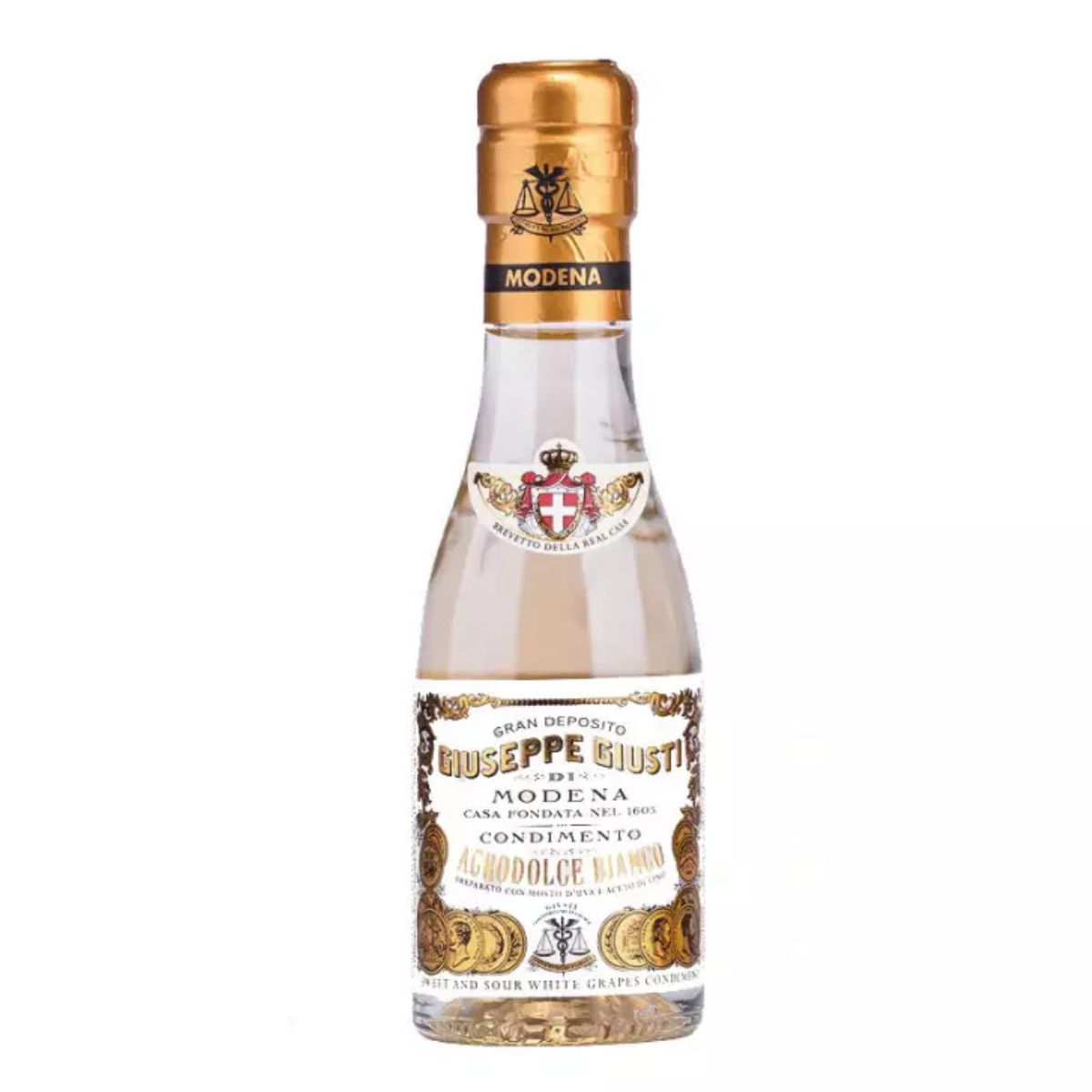
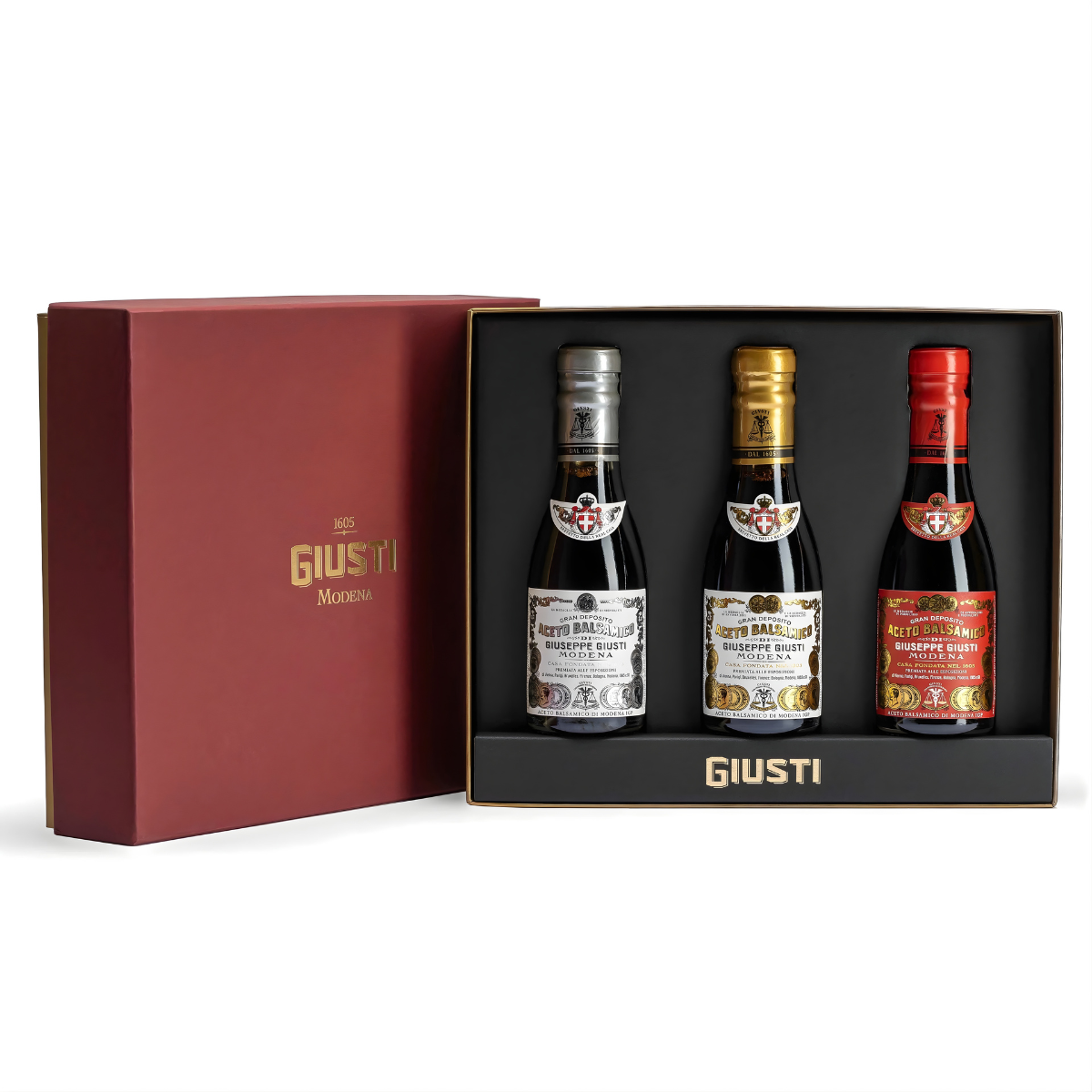
Renowned producers such as Acetaia Giusti continue to safeguard this centuries-old craft, opening their historic vinegar lofts to visitors who wish to experience the aromas, wooden casks, and traditions that define Modena’s balsamic heritage.
Discover the Excellence of Balsamic Vinegar of Modena
Experience the story, craftsmanship, and flavors behind Italy’s most iconic vinegar.
Visit stefanandsons.com to explore this extraordinary Modenese tradition and bring authentic Black Gold to your table.