
History, Aging, Authenticity, Taste, Production Methods, and Why Traditional Balsamic from Modena Is One of Italy’s Greatest Culinary Treasures
Aged balsamic vinegar is one of the most misunderstood luxury foods in the world.
To some people, balsamic vinegar is simply a dark salad dressing purchased at the supermarket for a few dollars.
To others — chefs, collectors, sommeliers, and culinary enthusiasts — authentic aged balsamic vinegar represents centuries of Italian craftsmanship, patience, agricultural heritage, and extraordinary flavor complexity.
True traditional balsamic vinegar from Modena is not an ordinary condiment. It is the result of decades of natural transformation.
Some of the world’s rarest balsamic vinegars are aged:
- 25 years
- 50 years
- 75 years
- even 100 years or more
These bottles may be produced in quantities of only a few hundred and can command luxury prices due to their rarity, concentration, and artisanal production methods.
But what exactly makes aged balsamic vinegar so special?
Why do some bottles cost $10 while others cost hundreds or even thousands of dollars?
What is the difference between supermarket balsamic vinegar and authentic traditional balsamic from Modena?
How does the aging process work?
And how can you identify a truly exceptional bottle?
This complete guide explores:
- the history of balsamic vinegar
- traditional production methods
- DOP and IGP certifications
- barrel aging systems
- tasting techniques
- food pairings
- collector-grade bottles
- authenticity
- luxury balsamic culture
- and the remarkable craftsmanship behind one of Italy’s most iconic culinary creations.
The Origins of Balsamic Vinegar
The history of balsamic vinegar begins in Northern Italy, particularly in:
- Modena
- Reggio Emilia
These regions, located in Emilia-Romagna, have produced concentrated grape must preparations for centuries.
Historical references to cooked grape must date back to Roman times, but traditional balsamic vinegar as we know it today evolved during the Middle Ages and Renaissance periods.
For generations, noble families in Modena maintained private attic barrel collections known as:
Acetaia
These attic spaces became the heart of traditional balsamic production.
Families carefully guarded their barrel systems and passed them down through generations as prized heirlooms.
Authentic aged balsamic vinegar was historically:
- gifted to aristocrats
- offered at weddings
- used medicinally
- treasured as a symbol of prestige and refinement
Unlike industrial food products, traditional balsamic vinegar was never intended for mass production.
Its identity has always been deeply connected to:
- patience
- craftsmanship
- regional culture
- family tradition
What Makes Traditional Balsamic Vinegar Unique?
One of the biggest misconceptions in the culinary world is the belief that all balsamic vinegar is essentially the same.
This could not be further from the truth.
There is an enormous difference between:
- industrial supermarket balsamic
and - authentic aged balsamic vinegar from Modena
Traditional balsamic vinegar differs in:
- ingredients
- aging
- production methods
- density
- flavor complexity
- concentration
- rarity
- authenticity
Authentic balsamic vinegar is fundamentally artisanal.
It cannot be rushed.
The Foundation of Traditional Balsamic: Cooked Grape Must
Authentic traditional balsamic vinegar begins with one primary ingredient:
cooked grape must
Grape must is freshly crushed grape juice containing:
- juice
- skins
- seeds
- stems
The grapes most commonly used include:
- Trebbiano
- Lambrusco
The fresh must is slowly cooked over low heat for many hours.
This process:
- concentrates sugars
- deepens flavor
- reduces water content
- develops natural richness
Unlike industrial balsamic products, traditional balsamic vinegar does not rely on:
- caramel coloring
- artificial sweeteners
- stabilizers
- thickeners
Its density develops naturally over decades of aging and evaporation.
The Traditional Aging Process
The true magic of aged balsamic vinegar lies in the aging process.
Authentic balsamic vinegar matures in a series of wooden barrels known collectively as a:
Batteria
These barrel systems are among the most important elements of traditional balsamic production.
The Batteria System
A batteria contains multiple barrels of decreasing size.
Each barrel is typically crafted from different woods, including:
- oak
- cherry
- chestnut
- juniper
- mulberry
- ash
Every wood contributes unique aromatic characteristics.
As balsamic ages:
- water evaporates
- flavors concentrate
- sugars become more integrated
- acidity softens
- wood interaction deepens complexity
Each year, a small amount is transferred from one barrel to the next in a carefully managed process.
This slow progression creates extraordinary depth and refinement impossible to reproduce quickly.
Why Attics Matter
Traditional balsamic vinegar is often aged in attic spaces.
Why?
Because attics naturally experience:
- hot summers
- cold winters
- seasonal humidity variation
These environmental fluctuations accelerate:
- evaporation
- concentration
- oxidation
- fermentation dynamics
The changing climate plays an essential role in flavor development.
Traditional balsamic is therefore not merely aged.
It evolves naturally with time and seasons.
How Long Is Traditional Balsamic Aged?
Authentic traditional balsamic vinegar is never rushed.
Official aging categories include:
However, some reserve and collector-grade balsamics may age:
- 40 years
- 50 years
- 75 years
- over 100 years
The longer the aging:
- the more concentrated the vinegar becomes
- the greater the aromatic complexity
- the smoother the acidity
- the richer the texture
Extremely old balsamic vinegar becomes almost syrup-like while retaining elegance and balance.
Why Aging Makes Balsamic Expensive
Many people are surprised by the price of authentic aged balsamic vinegar.
But luxury balsamic is expensive for very real reasons.
Massive Evaporation Loss
As balsamic ages over decades:
- water continuously evaporates
- yields shrink dramatically
A producer may start with large quantities of grape must and end decades later with only a tiny amount of finished balsamic.
This concentration process naturally creates rarity.
Time Is Capital
Traditional balsamic vinegar ties up inventory for:
- years
- decades
- sometimes generations
Very few industries require producers to wait decades before selling a finished product.
This long-term investment contributes significantly to value.
Barrel Maintenance and Craftsmanship
Maintaining traditional barrel systems requires:
- expertise
- environmental control
- annual transfers
- barrel maintenance
- careful monitoring
The process is labor-intensive and highly specialized.
Understanding DOP and IGP Certifications
One of the most important aspects of buying authentic balsamic vinegar is understanding official Italian certifications.
The two most important designations are:
- DOP
- IGP
What Does DOP Mean?
DOP stands for:
Denominazione di Origine Protetta
(Protected Designation of Origin)
This is one of the highest levels of authenticity protection in Europe.
Traditional Balsamic Vinegar of Modena DOP must:
- be produced in Modena
- follow strict traditional methods
- meet official aging requirements
- pass sensory evaluation standards
DOP certification protects:
- regional identity
- production integrity
- artisanal methods
DOP Aging Categories
There are two official DOP classifications:
Affinato
Minimum aging:
- 12 years
Extravecchio
Minimum aging:
- 25 years
Extravecchio balsamic represents extraordinary concentration and maturity.
What Is IGP Balsamic Vinegar?
IGP stands for:
Indicazione Geografica Protetta
(Protected Geographical Indication)
IGP balsamic allows:
- more flexible production methods
- blending with wine vinegar
- larger-scale production
High-quality IGP balsamic can still be exceptional, especially reserve editions from respected acetaie.
However, DOP remains the pinnacle of traditional authenticity.
The Difference Between Traditional and Commercial Balsamic
Most supermarket balsamic vinegar bears little resemblance to authentic traditional balsamic.
Commercial balsamic is often:
- mass-produced
- rapidly aged
- artificially thickened
- sweetened
- caramel-colored
These products may work adequately for:
- cooking
- salad dressings
- marinades
But they lack:
- concentration
- depth
- elegance
- complexity
Traditional balsamic is a luxury tasting product.
Texture and Density
One of the clearest indicators of aged balsamic quality is texture.
Premium aged balsamic should feel:
- velvety
- silky
- dense
- smooth
It should coat the glass slowly and elegantly.
Thin, watery balsamic usually indicates minimal aging.
Aromatic Complexity
Exceptional aged balsamic vinegar develops remarkable aromatic layers.
Depending on age and barrel influence, aromas may include:
- fig
- raisin
- cherry
- plum
- molasses
- cocoa
- vanilla
- honey
- dried fruit
- wood spice
- tobacco
- leather
Complexity is a hallmark of authentic aging.
Sweetness vs Acidity
Many people assume balsamic vinegar should taste sharply acidic.
True aged balsamic is different.
Great balsamic balances:
- sweetness
- acidity
- concentration
- wood influence
The best examples feel harmonious rather than aggressive.
The Importance of Wood Types
Different woods shape balsamic vinegar over decades of maturation.
Oak
Oak contributes:
- structure
- vanilla notes
- subtle spice
Cherry
Cherry wood adds:
- fruit softness
- sweetness
- elegance
Chestnut
Chestnut contributes:
- tannic depth
- darker richness
Juniper
Juniper creates:
- resinous aromas
- complexity
- aromatic lift
Mulberry
Mulberry barrels encourage:
- stronger evaporation
- concentration
The combination of woods creates layered flavor evolution.
How to Taste Aged Balsamic Vinegar
Tasting authentic balsamic vinegar is similar to tasting:
- fine wine
- aged whisky
- cognac
The experience unfolds gradually.
Step 1: Appearance
Observe:
- density
- gloss
- viscosity
- color depth
Exceptional balsamic should appear rich and concentrated.
Step 2: Aroma
Swirl gently and inhale slowly.
Look for:
- fruit
- spice
- wood
- sweetness
- fermentation complexity
Step 3: Texture
Aged balsamic should feel:
- smooth
- luxurious
- persistent
Step 4: Taste
Evaluate:
- sweetness
- acidity
- balance
- finish
- aromatic persistence
Great balsamic lingers beautifully.
Why Some Balsamic Costs Thousands of Dollars
Ultra-aged balsamic vinegar represents one of the rarest categories in gourmet food.
Some collector-grade bottles:
- age for generations
- are produced in microscopic quantities
- use historic barrel systems
- feature handcrafted presentation boxes
These products exist at the intersection of:
- culinary art
- luxury collecting
- Italian heritage
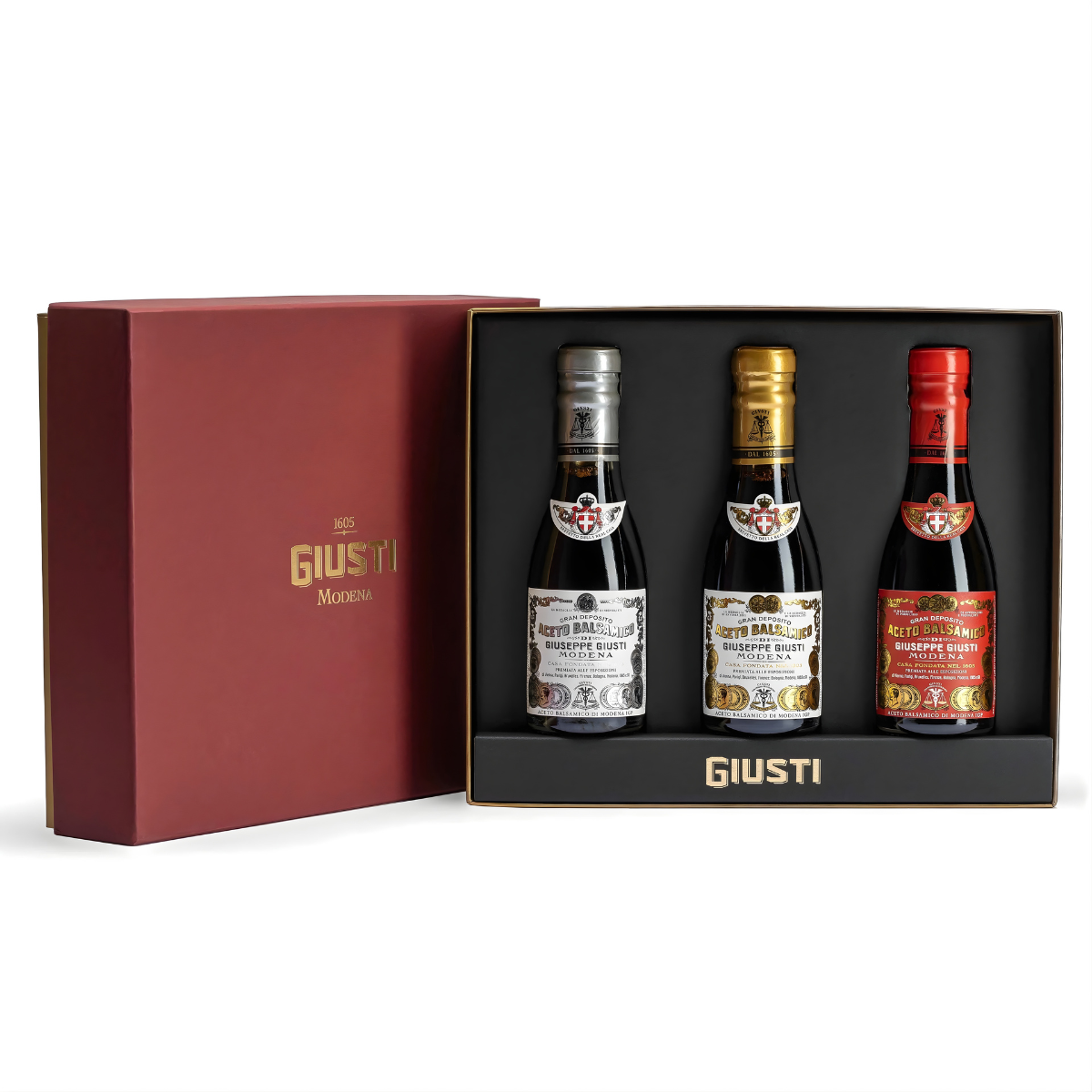
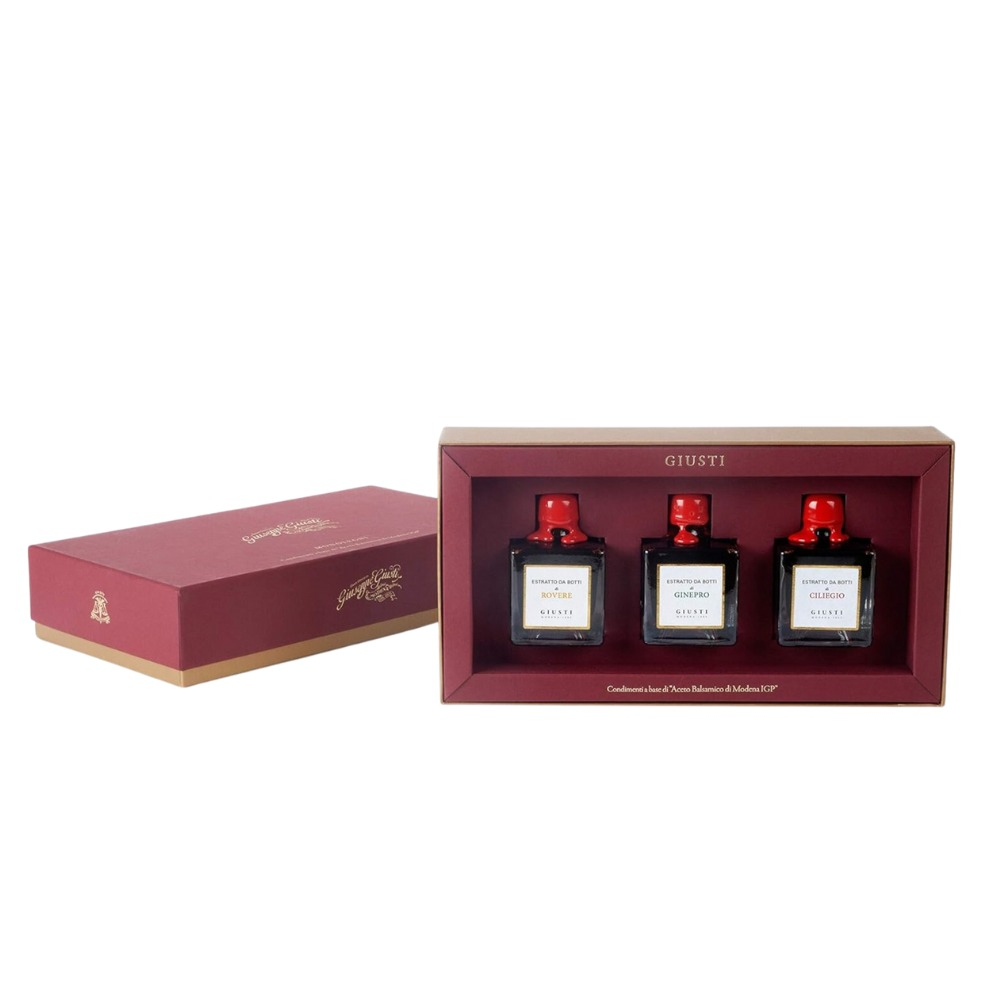
Giuseppe Giusti: One of Italy’s Legendary Producers
Founded in 1605, Giuseppe Giusti is one of the oldest balsamic vinegar houses in the world.
The producer is respected for:
- historic barrel systems
- reserve collections
- traditional methods
- exceptional aging expertise
Giusti reserve balsamics are known for:
- balance
- density
- elegance
- aromatic complexity
Certain rare editions are produced in extremely limited quantities.
Acetaia Mussini and Modern Artisanal Excellence
Acetaia Mussini represents another highly respected producer from Modena.
Known for elegant reserve balsamics, Mussini combines:
- traditional craftsmanship
- refined aging
- modern presentation
Their aged balsamics showcase:
- concentration
- sweetness
- aromatic richness
- smooth acidity
As global demand for balsamic vinegar increased, the market became flooded with:
- imitations
- misleading labeling
- artificially flavored products
Authenticity matters because true balsamic vinegar preserves:
- regional identity
- artisanal tradition
- agricultural heritage
Buying authentic products supports producers dedicated to traditional methods.
How to Identify Authentic Balsamic Vinegar
When shopping for premium balsamic, consider:
- certification
- ingredient transparency
- producer reputation
- density
- aging claims
- origin
Look for:
- DOP or IGP designation
- Modena origin
- reputable acetaia
Avoid products overloaded with:
- caramel coloring
- additives
- syrups
Why Small Acetaia Matter
Some of the finest balsamic vinegar comes from:
small artisanal producers
These acetaie often prioritize:
- quality
- patience
- craftsmanship
- tradition
Unlike industrial operations, small producers frequently maintain close relationships with:
- grape sourcing
- barrel systems
- aging environments
This attention to detail creates exceptional products.
Pairing Aged Balsamic with Food
Authentic aged balsamic vinegar is incredibly versatile.
However, it should generally be used carefully and intentionally.
A few drops are often enough.
Cheese Pairings
One of the classic combinations is:
aged balsamic with Parmigiano Reggiano
The interaction between:
- umami
- sweetness
- acidity
creates extraordinary balance.
Other excellent cheeses include:
- Pecorino
- burrata
- goat cheese
- Gorgonzola
Fruit Pairings
Aged balsamic pairs beautifully with:
- strawberries
- peaches
- figs
- pears
The acidity enhances freshness while the sweetness deepens flavor.
Dessert Pairings
Premium balsamic can elevate desserts such as:
- vanilla gelato
- panna cotta
- dark chocolate
- cheesecake
A few drops add complexity and contrast.
Savory Pairings
Aged balsamic works beautifully with:
- grilled steak
- roasted vegetables
- risotto
- duck
- pork
- charcuterie
The key is moderation.
Why Premium EVOO and Balsamic Belong Together
High-quality extra virgin olive oil and aged balsamic share many qualities:
- agricultural craftsmanship
- regional identity
- artisanal methods
- flavor complexity
Together they create elegant finishing combinations for:
- bread
- salads
- vegetables
- meats
However, premium balsamic should never be overwhelmed by excessive oil or seasoning.
The Culture of Balsamic Vinegar in Italy
In Emilia-Romagna, traditional balsamic vinegar is more than food.
It is:
- family heritage
- regional pride
- cultural identity
Many families maintain private barrel collections for generations.
These acetaie become deeply emotional heirlooms connected to:
- weddings
- births
- celebrations
- family continuity
Why Traditional Balsamic Is Not for Cooking
One of the most common mistakes is using luxury balsamic in high-heat cooking.
Excessive heat destroys:
- aromatic complexity
- delicate sweetness
- evolved flavor layers
Traditional aged balsamic is best enjoyed:
- raw
- lightly drizzled
- minimally disturbed
Storing Premium Balsamic Vinegar
Authentic aged balsamic vinegar should be stored:
- upright
- away from direct sunlight
- at stable temperatures
Unlike wine, balsamic does not require refrigeration.
Properly stored balsamic can remain stable for years.
The Collector Market for Rare Balsamic
Luxury balsamic collecting has grown significantly among:
- chefs
- sommeliers
- gourmet enthusiasts
- luxury food collectors
Rare bottles may feature:
- numbered editions
- handmade presentation boxes
- historical significance
- extremely limited releases
Some collector-grade balsamics are treated similarly to:
- rare whisky
- vintage wine
- luxury cognac
Why Balsamic Vinegar Represents Patience
Few culinary products require as much patience as traditional balsamic vinegar.
Its production depends on:
- slow evaporation
- natural fermentation
- long-term aging
- careful stewardship
Great balsamic cannot be rushed.
Its value is inseparable from time itself.
The Emotional Experience of Aged Balsamic
Opening a bottle aged for decades is an emotional experience.
Inside that bottle exists:
- time
- craftsmanship
- agricultural history
- human patience
Each drop reflects years — sometimes generations — of dedication.
This emotional dimension is part of what makes authentic balsamic vinegar extraordinary.
Why Traditional Balsamic Continues to Matter
In a world dominated by industrial food production, authentic artisanal products become increasingly valuable.
Consumers today seek:
- transparency
- craftsmanship
- heritage
- authenticity
Traditional balsamic vinegar embodies all of these values.
Its continued survival depends on preserving:
- regional identity
- artisanal knowledge
- family traditions
Why Stefan & Sons Focuses Exclusively on Luxury Balsamic Vinegar and Premium EVOO
At Stefan & Sons, we believe authentic balsamic vinegar deserves the same respect as fine wine, rare whisky, or artisanal cheese.
Since 2022, our focus has been simple:
to curate some of the world’s most exceptional aged balsamic vinegars and premium extra virgin olive oils from producers who preserve genuine Italian craftsmanship.
We specialize exclusively in:
- aged balsamic vinegar from Modena
- rare reserve collections
- traditional artisanal acetaie
- premium extra virgin olive oils
- limited-production gourmet imports
Rather than offering thousands of generic products, our philosophy centers on careful curation, authenticity, and producer relationships.
Every balsamic vinegar we select reflects the qualities we value most:
- heritage
- craftsmanship
- aging integrity
- regional authenticity
- flavor complexity
- rarity
From historic producers like Giuseppe Giusti to small artisanal acetaie crafting ultra-aged reserves, our goal is to introduce collectors, chefs, and gourmet enthusiasts to products that represent the highest level of Italian culinary tradition.
Many of the balsamics we feature are:
- difficult to source
- produced in limited quantities
- traditionally aged for decades
- unavailable through conventional retail channels
We believe extraordinary balsamic vinegar is not simply a condiment.
It is a cultural product shaped by time, patience, and generations of expertise.
That philosophy continues to guide everything we curate at Stefan & Sons.
Frequently Asked Questions About Aged Balsamic Vinegar
Is expensive balsamic vinegar worth it?
Authentic aged balsamic offers:
- greater complexity
- density
- refinement
- balance
Compared to industrial products, the difference can be dramatic.
Does balsamic vinegar expire?
Properly stored balsamic vinegar remains stable for many years.
Its acidity naturally helps preservation.
Why is traditional balsamic so thick?
Thickness develops naturally through:
- evaporation
- concentration
- long-term aging
Artificially thickened balsamic is fundamentally different.
What is the difference between balsamic glaze and traditional balsamic?
Balsamic glaze is usually:
- reduced
- sweetened
- thickened
Traditional balsamic develops naturally through decades of aging.
Can aged balsamic be used every day?
Yes — but premium balsamic is typically used sparingly due to:
- intensity
- concentration
- value
A few drops are often sufficient.
Final Thoughts
Authentic aged balsamic vinegar is one of Italy’s greatest culinary achievements.
Produced through:
- patience
- craftsmanship
- time
- regional tradition
it represents far more than a condiment.
True balsamic vinegar from Modena embodies:
- history
- artistry
- agricultural heritage
- sensory complexity
Whether enjoyed:
- over Parmigiano Reggiano
- with fresh strawberries
- alongside premium extra virgin olive oil
- or simply by the spoonful
Great aged balsamic creates an unforgettable experience.
Understanding the differences between:
- industrial and traditional balsamic
- DOP and IGP certifications
- young and ultra-aged reserves
Allows consumers to fully appreciate why authentic balsamic vinegar is among the world’s most respected luxury foods.
For chefs, collectors, and gourmet enthusiasts alike, aged balsamic vinegar remains a living symbol of Italian excellence — preserved patiently, one barrel at a time.